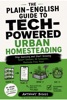
You want to grow real food in a small space, and you want the tech to help, not nag. Most gardening books either ignore the technology or drown you in wiring diagrams. This one does neither.
This is a plain-English walk through tech-powered urban homesteading, from the first balcony measurement to a quietly humming setup that waters itself, alerts you only when it matters, and turns out salad greens, tomatoes, herbs, and beans you actually eat. No engineering degree required. No yard required. No fortune required.
What you will learn:
- How to audit your space in 30 minutes (sun, wind, weight, water) so you stop guessing and start growing
- How soil moisture sensors, pH meters, EC testers, and light meters actually work, and where to put them for honest readings
- How to use AI planting schedules without being bossed around by an algorithm that doesn't know your microclimate
- How to build a starter tech stack on a $50, $200, or $500 budget (and what to skip)
- How to defend your plants from pests without harsh chemicals, and harvest at the right moment
Who this book is for:
- Apartment, balcony, and rooftop growers who want food, not a hobby that becomes a second job
- Tech-curious beginners who like the idea of sensors and apps but don't want a notification storm
- Anyone who has read three gardening books and still feels lied to by the marketing numbers
What's inside:
- 20 chapters across six parts, from your first site audit to a full 12-month action plan
- Quick Reference tables for watering, container sizing, IPM, and crop selection
- Three "Top Ten" lists: sensors and gadgets worth your money, rookie mistakes that tank yields, and the highest-yield crops for balconies and rooftops
- A glossary of around 60 plain-English definitions, every term explained where it first appears
- Worked examples, budget breakdowns, and a recovery plan for the inevitable missed weekend
Why this book is different. It is brutally honest about what tech can and cannot do. It debunks the "15x yield" marketing line, names the three things beginners guess wrong, and gives you explicit permission to ignore the algorithm when your eyes tell you something different. The voice is conversational, dry, and refuses to waste your time.
By the final chapter, you'll have a small, sane, tech-powered setup that earns its keep, feeds you real food, and runs without ruling your weekends.